

Behind Take Root from That Wine Demesne
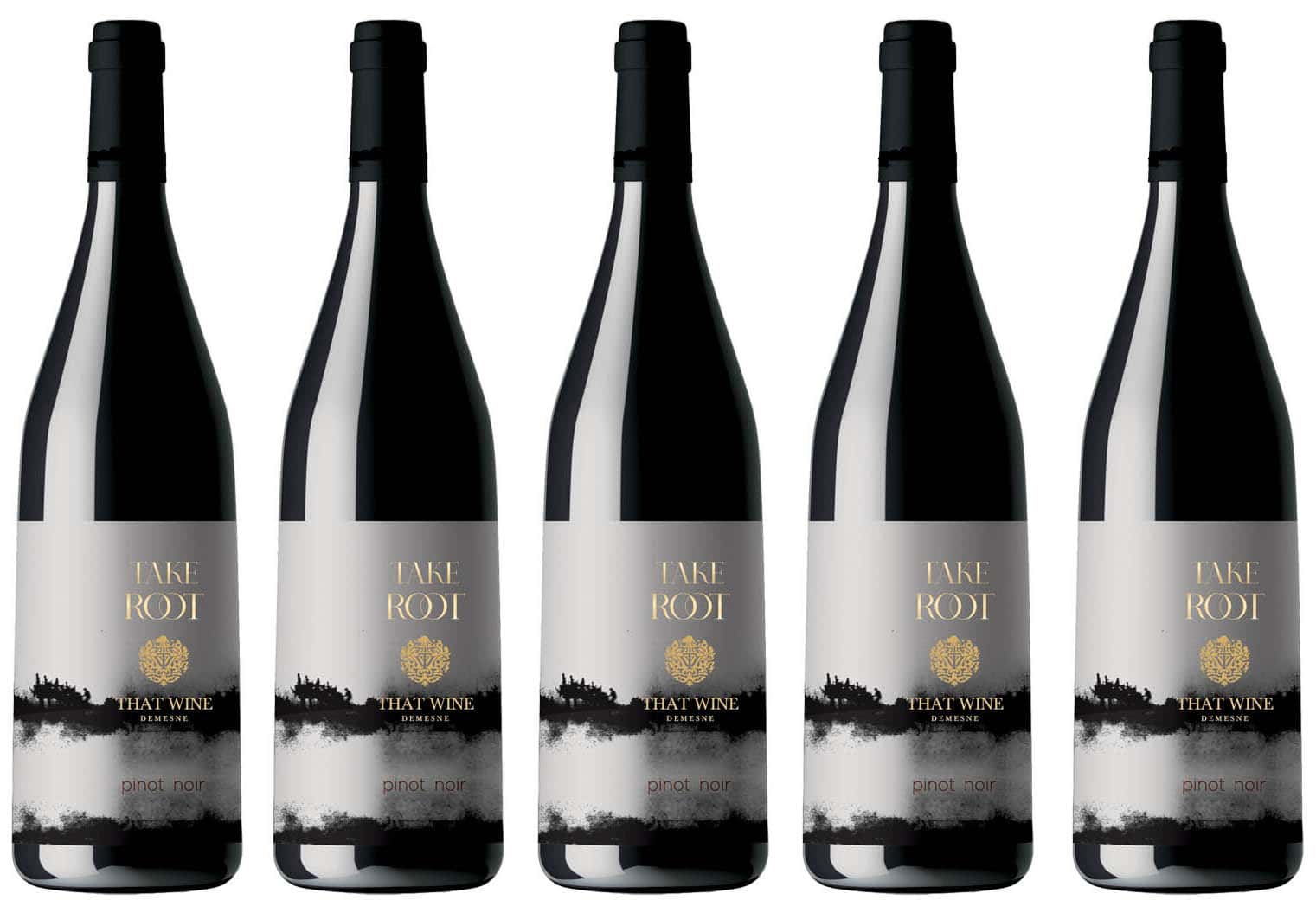
Drive inland from Plettenberg Bay and the coastline softens into folds of forest and farmland. Above the Buffels River gorge lies a tiny, owner-run vineyard producing one of the region’s most compelling Pinot Noirs: Take Root from That Wine Demesne.
The Farm was never meant to be a wine estate.
“We bought the farm in 1996,” the owners Joanna and David Butler reflect. “Long before wine was even a serious thought. It was simply home — a place to raise our family, grow vegetables, plant trees and live close to the land. The vines came much later. What began as curiosity slowly became conviction.”
From Romance to Reality
Living next door to Bramon Wine Estate planted the seed. Watching vines grow and wine being made “right on our doorstep” made the idea feel almost inevitable. “One day we thought, rather innocently, ‘Why not plant a few vines?’ It seemed romantic. We didn’t yet understand quite how much grit romance requires.”
And then came the bold choice to plant Pinot Noir, known as the ‘heartbreak grape’. When asked why they chose this grape they replied: “Possibly stubbornness. Possibly optimism. Pinot Noir is thin-skinned, sensitive and demanding. We had no formal farming background — just a serious vegetable patch and enthusiasm. But when Pinot works, it is extraordinary: layered, elegant, expressive.”
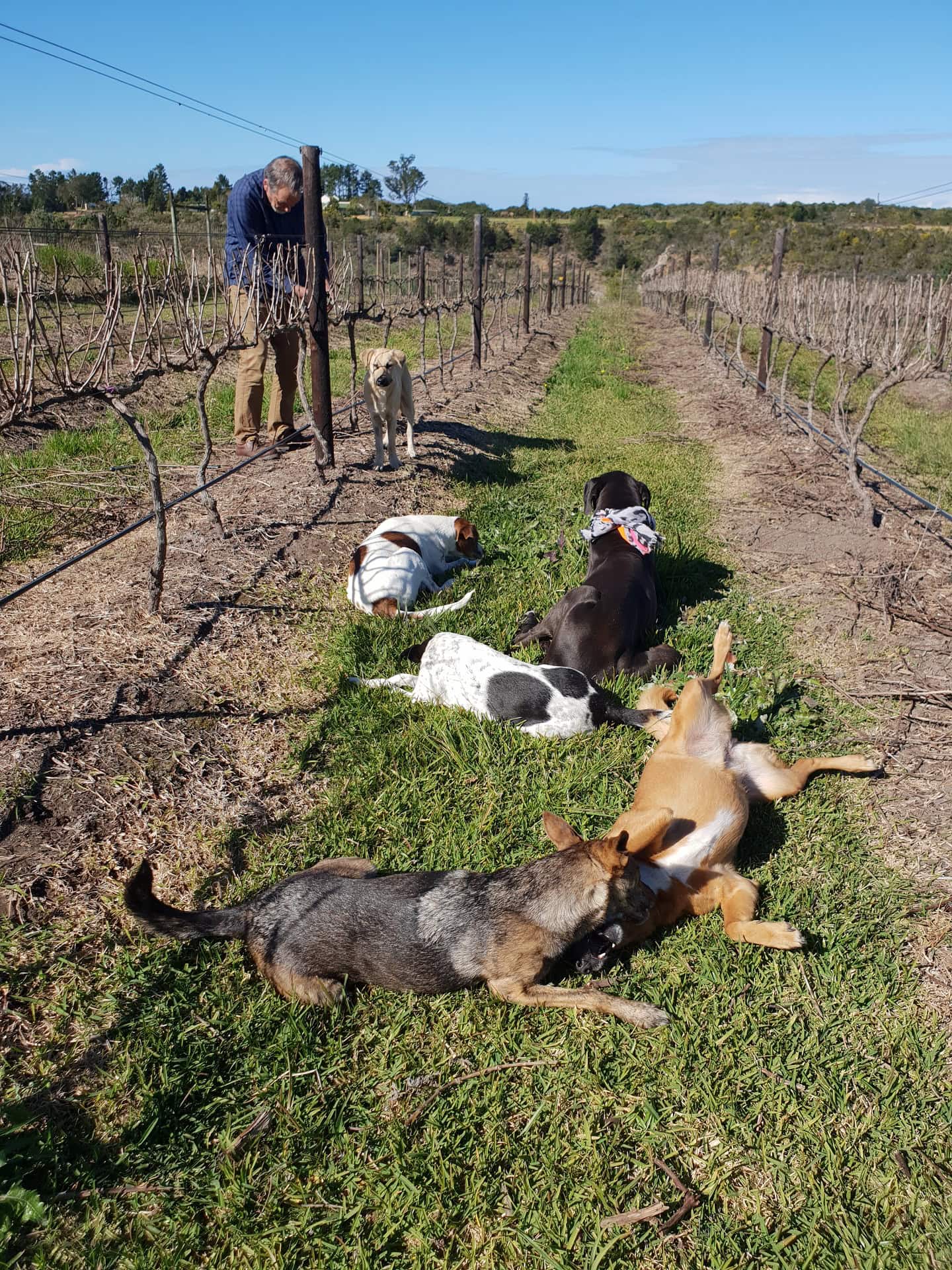
The first 1 308 vines were planted in 2016. Today, a single hectare holds 4 208 Pinot Noir vines. Farming here is done largely by hand. Pruning, canopy management and hand-weeding are daily disciplines. Sprays, when necessary, are applied by backpack. “The aim is stewardship, not control,” they explain. “We walk the vineyard daily. Each row has its own demands. Each vine has its own temperament. The land decides; we respond.”
The site itself shapes everything. Sitting above the gorge, the vineyard benefits from steady sea breezes that moderate summer heat — essential for a grape that dislikes extremes. Heavy clay soils threaded with koffieklip offer resilience. “During drought, that clay quite literally sustained the vines. It is not an easy site, but it has character.”
Small Scale, Serious Intent
“The project began personally, not commercially. But vineyards are not ornamental”, states Joanna. “They demand investment, discipline and resilience.” The realisation came early that for the farm to sustain itself, the wine would need to stand on its own merits.
That affirmation arrived in 2018. “The vines were still young, but the wine had structure and quiet confidence.” Entering the Michelangelo International Wine &
Spirits Awards felt bold. Receiving Gold felt like validation. Recognition from Gilbert & Gaillard (91/100) and 4 Stars from Platter’s South African Wine Guide followed. Joanna jokes that that was when they thought, “Maybe we aren’t completely deluded!” “The small gold stickers help visibility,” Joanna admits, “but more importantly, they confirm that the work in the vineyard translates into the glass.”
There is no desire to scale aggressively. “We know every row, every block, every barrel. That intimacy matters to us. It may limit scale, but it protects character.” Sustainability — practical and personal — matters more than expansion.
In the Cellar: Refinement, Not Rescue
Winemaking is guided by consultant Anton Smal, but always in service of the vineyard. The fruit is 100% Pinot Noir, single vineyard. Grapes are destemmed and crushed, given a one-day cold pre-soak, followed by a four-day fermentation with two punch-downs daily. The wine is pressed at first Balling and matured for 11 months in French oak. It is bottled unfiltered — a deliberate choice that honours minimal handling and maximum character. “Good fruit makes honest wine possible,” David says. “The cellar’s role is refinement, not rescue.”
What do David and Joanna think when they open a bottle at home? “Gratitude,” they say simply. “Often tired gratitude. Sharing wine grown on our own soil around a family table — dogs nearby, laughter, good food — makes the hard work worthwhile. There are still moments of disbelief.”
Above the Buffels Gorge, in a vineyard once planted out of innocent curiosity, conviction has taken root. Small scale. Hard won. And quietly extraordinary.
By Stephanie Doig